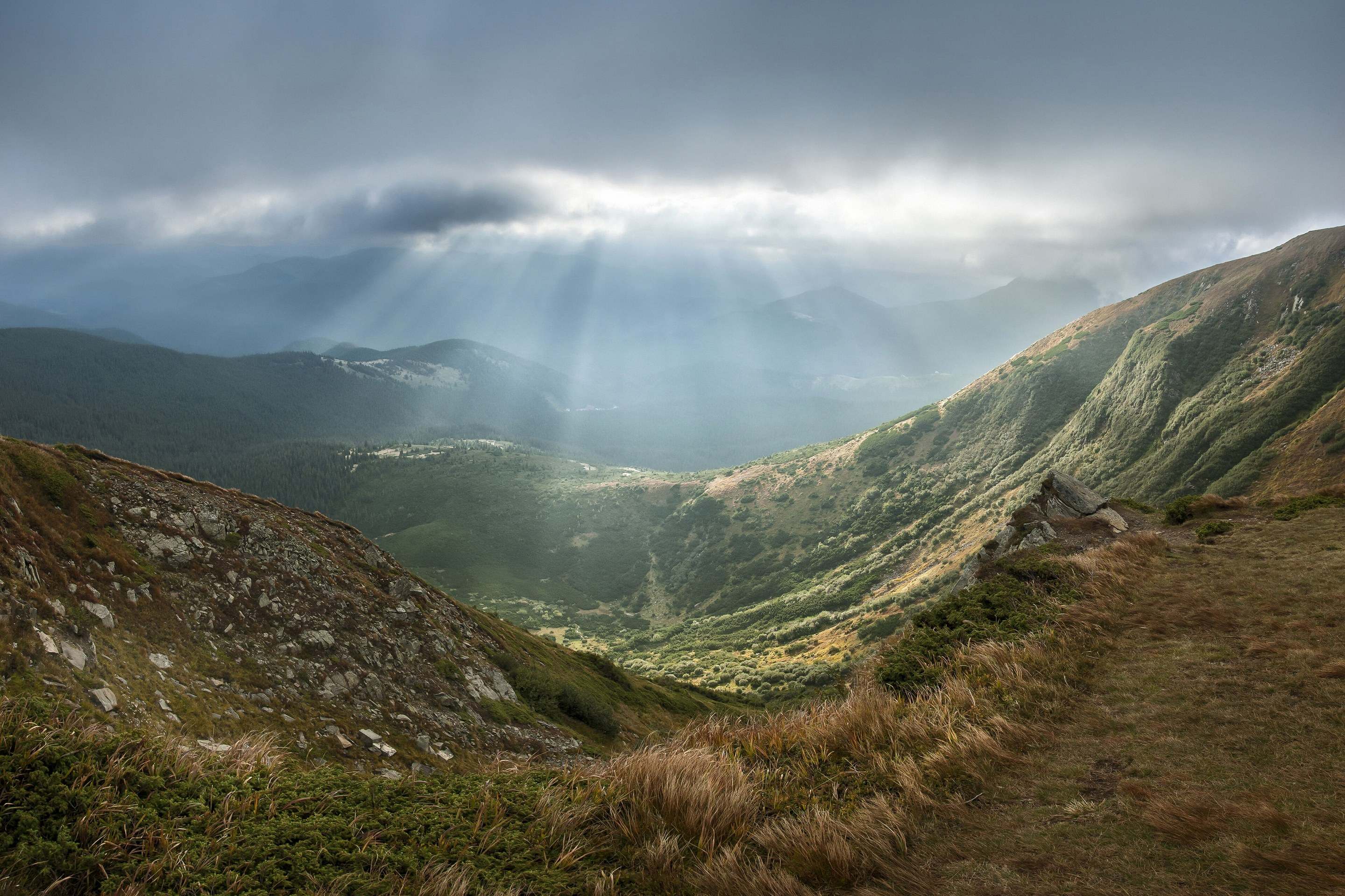
Shafts of sunlight breaking through storm cloud over a Carpathian valley

Atmospheric science · Field notes · Perspective

The art ofunderstandingnature.

Plate 01 — Hoverla, Ukrainian Carpathians · 48°09′N 24°30′EPhoto: Balkhovitin / CC BY-SA 3.0Scroll

01Philosophy

In September 2017 a storm crossed western Romania in a single afternoon. I was seventeen. The next day I tried to explain it to anyone who would read — and I have been trying to understand that afternoon ever since.

The atmosphere is the largest thing most of us ever look at, and the least examined. I work on extreme weather: severe convective storms, urban heat, flood risk. The tools are the ordinary ones — soundings, satellite imagery, reanalysis, a lot of Python.

The reason is older than the tools. It is the wish to stand under a sky and know what it is doing, and to be honest about the part that still escapes.

Science.Exploration.Perspective.

02Research & science

What the evidence says

Publications, case studies and weather analyses. Technical where it has to be, readable everywhere else.

Plate 02Work in progress202645°45′N 21°13′E

The 17 September 2017 derecho, reanalysed

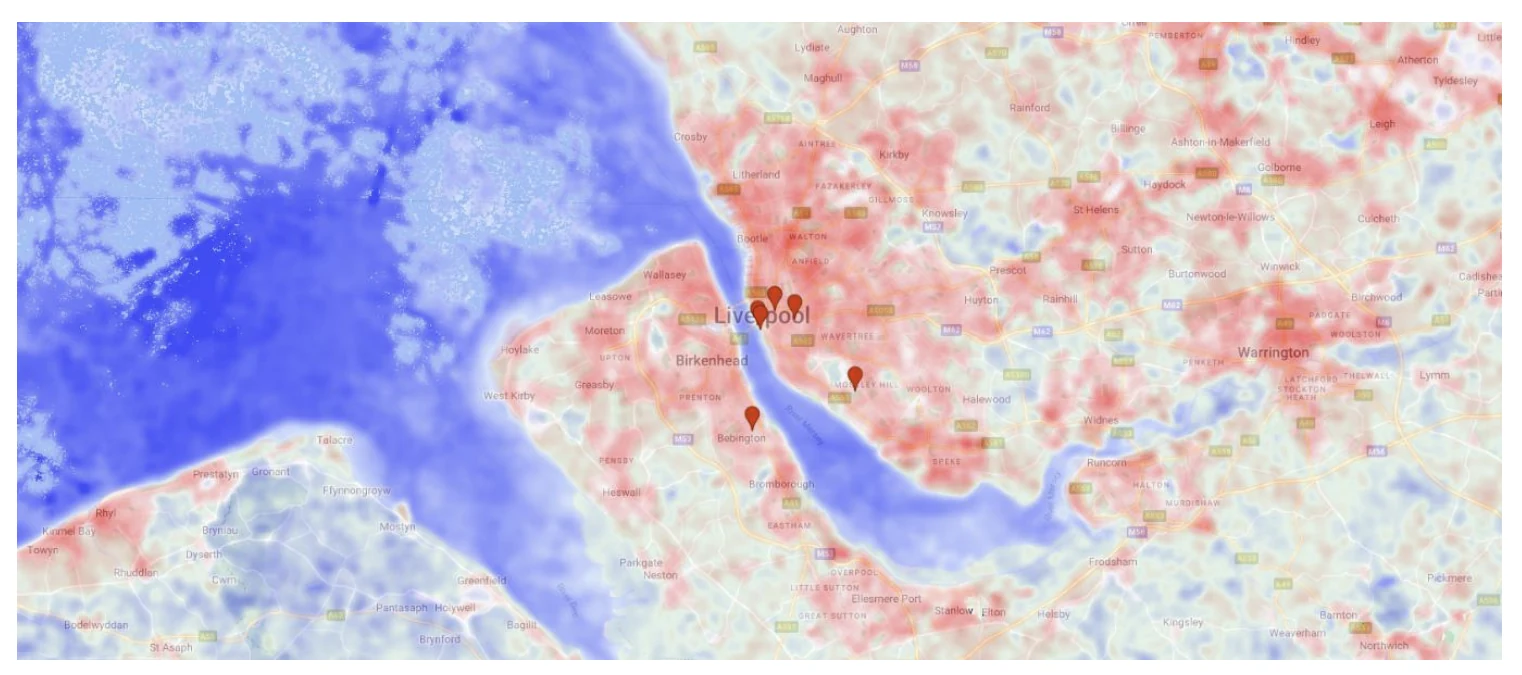
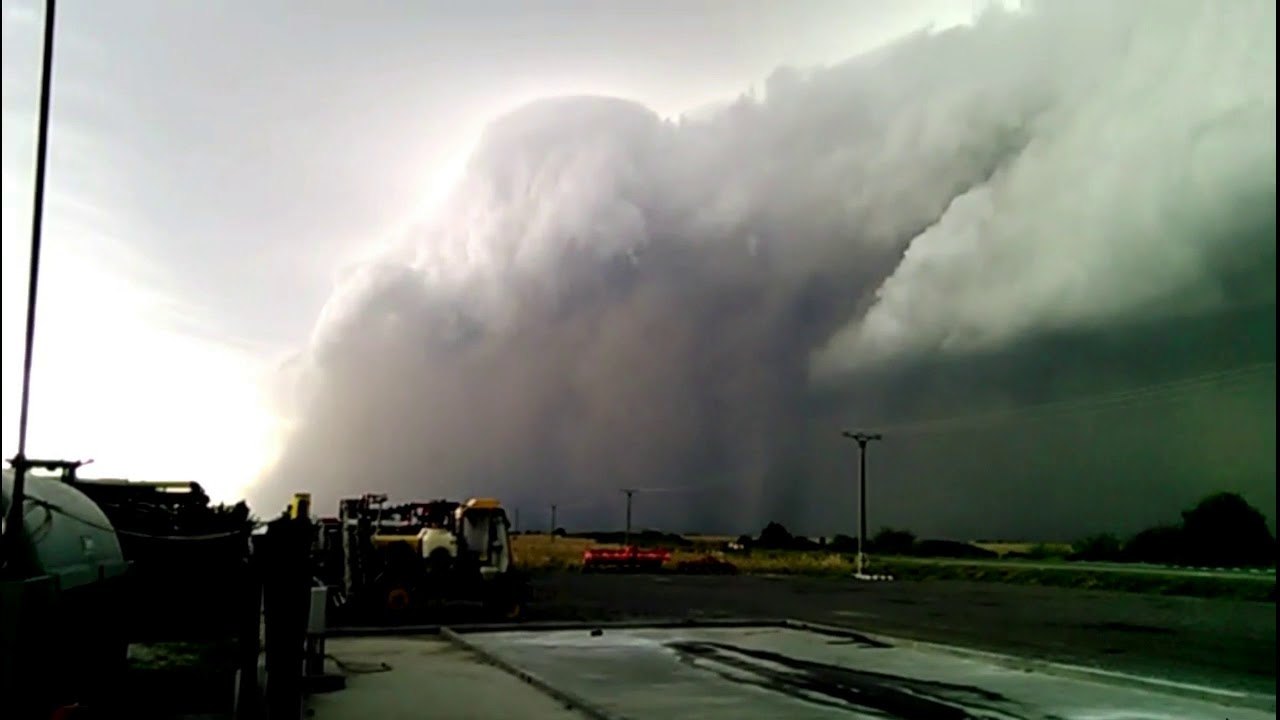
On 17 September 2017, a derecho-like convective system swept across northern Serbia and western Romania, killing 8 people, injuring 137, and damaging 212 localities. I was 17 at the time and wrote a short Facebook explainer the day after, trying to make sense of what had just happened in my country.

  • Extreme weather
  • Convective storms
Read the study
All research and analyses

03Fieldwork

Understanding starts outside

Ridgelines, cloud bases, the hour before a front arrives. The questions usually begin somewhere without a desk.

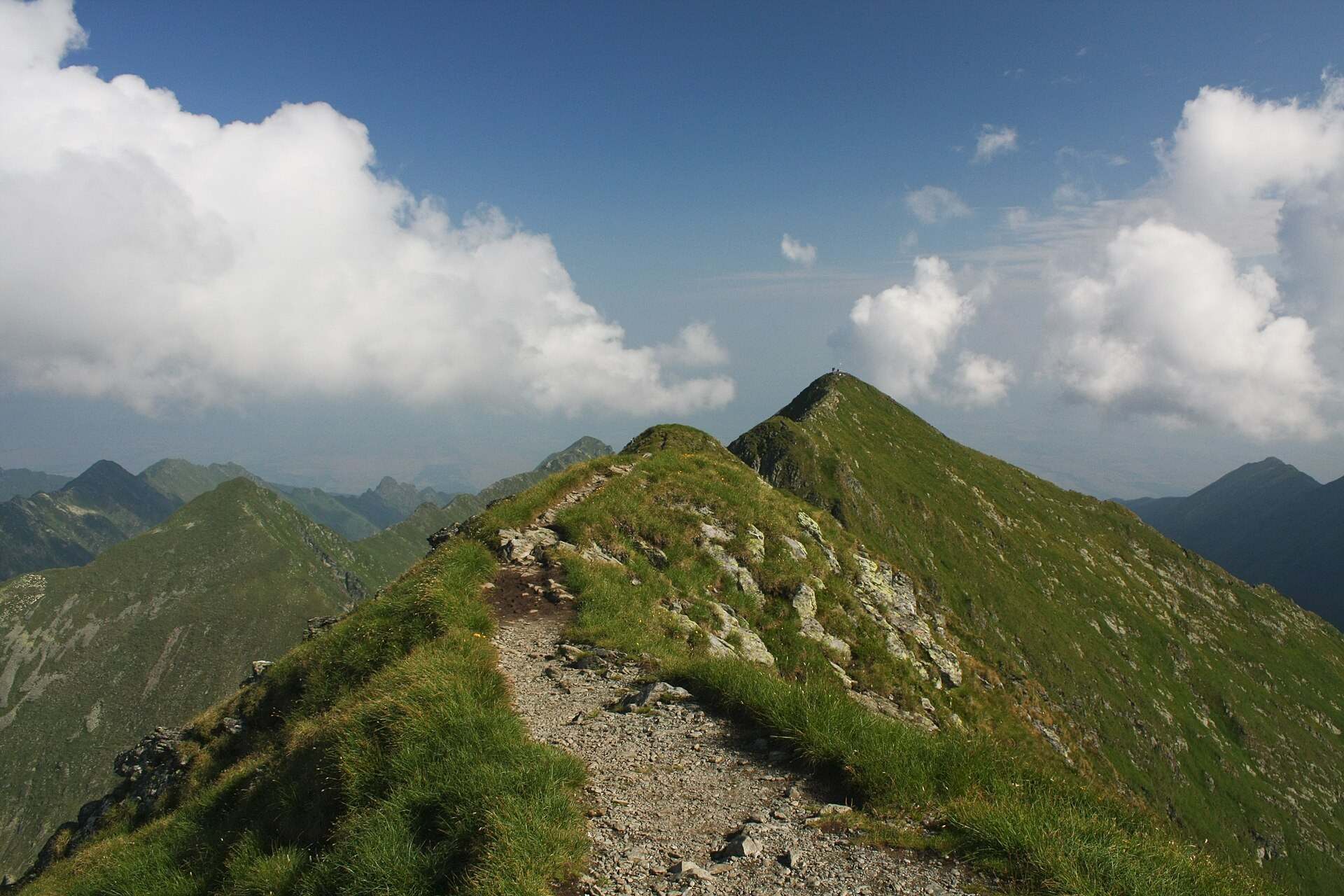
A narrow path along a grassy mountain ridge, cumulus building behind it
Plate 03 — Viștea Mare from Moldoveanu, Făgăraș Mountains45°36′N 24°44′EPhoto: Mercy / CC BY-SA 3.0
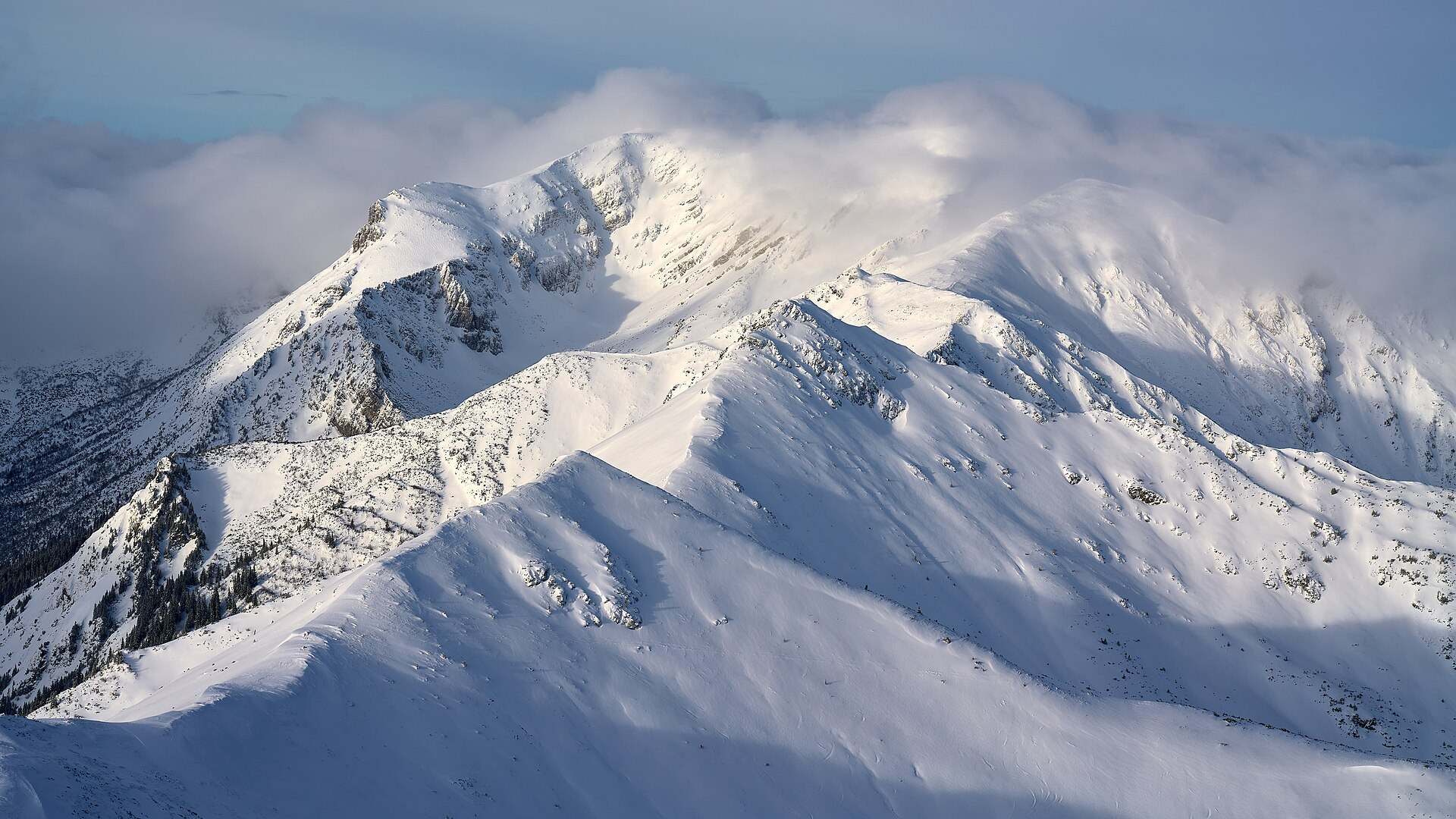
Snow-covered mountain ridges with cloud spilling over the summit
Plate 04 — Kasprowy Wierch, Tatra Mountains49°14′N 19°59′EPhoto: Radek Kucharski / CC BY 4.0
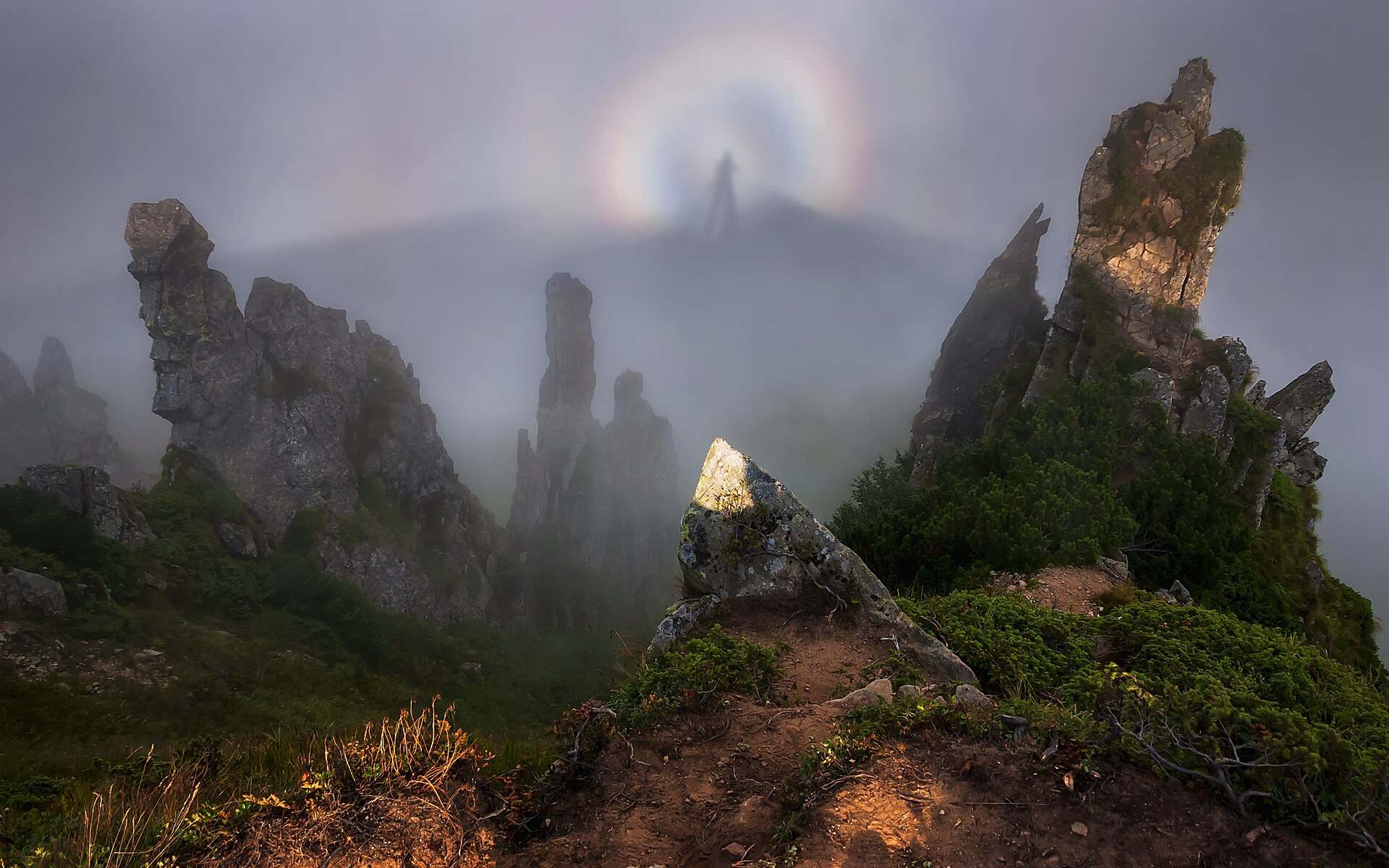
A Brocken spectre: the observer’s shadow on fog, ringed by a glory, between rock pinnacles
Plate 05 — Brocken spectre on Shpytsi, Chornohora48°07′N 24°34′EPhoto: Mykhailo Petskovych / CC BY-SA 4.0
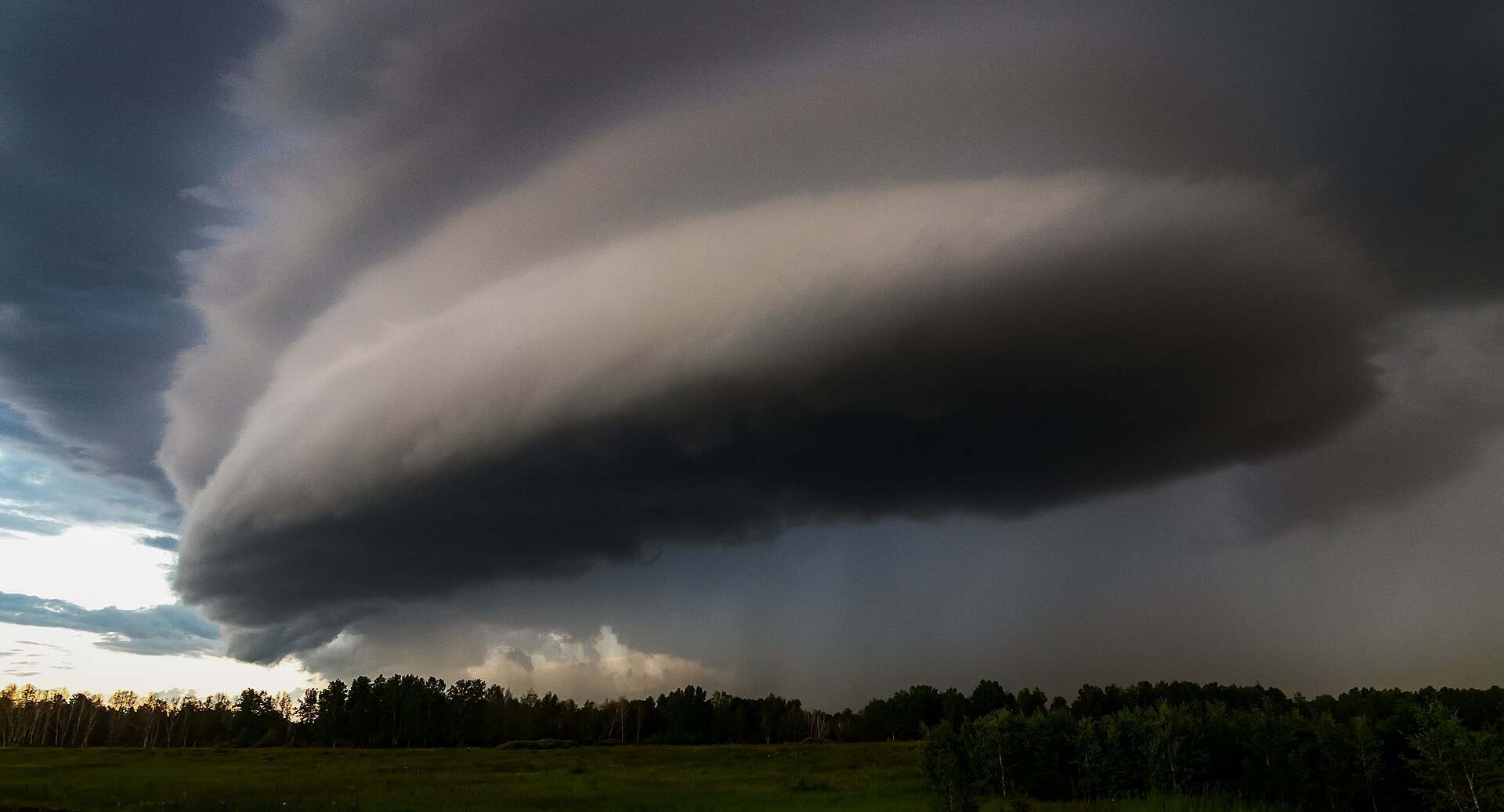
A layered, saucer-shaped storm cloud over a dark tree line
Plate 06 — Storm cloudPhoto: Aleksandr Rudnyi / CC BY 4.0

Photographs from open archives, standing in until my own field images replace them. Credits in the colophon. Colophon →

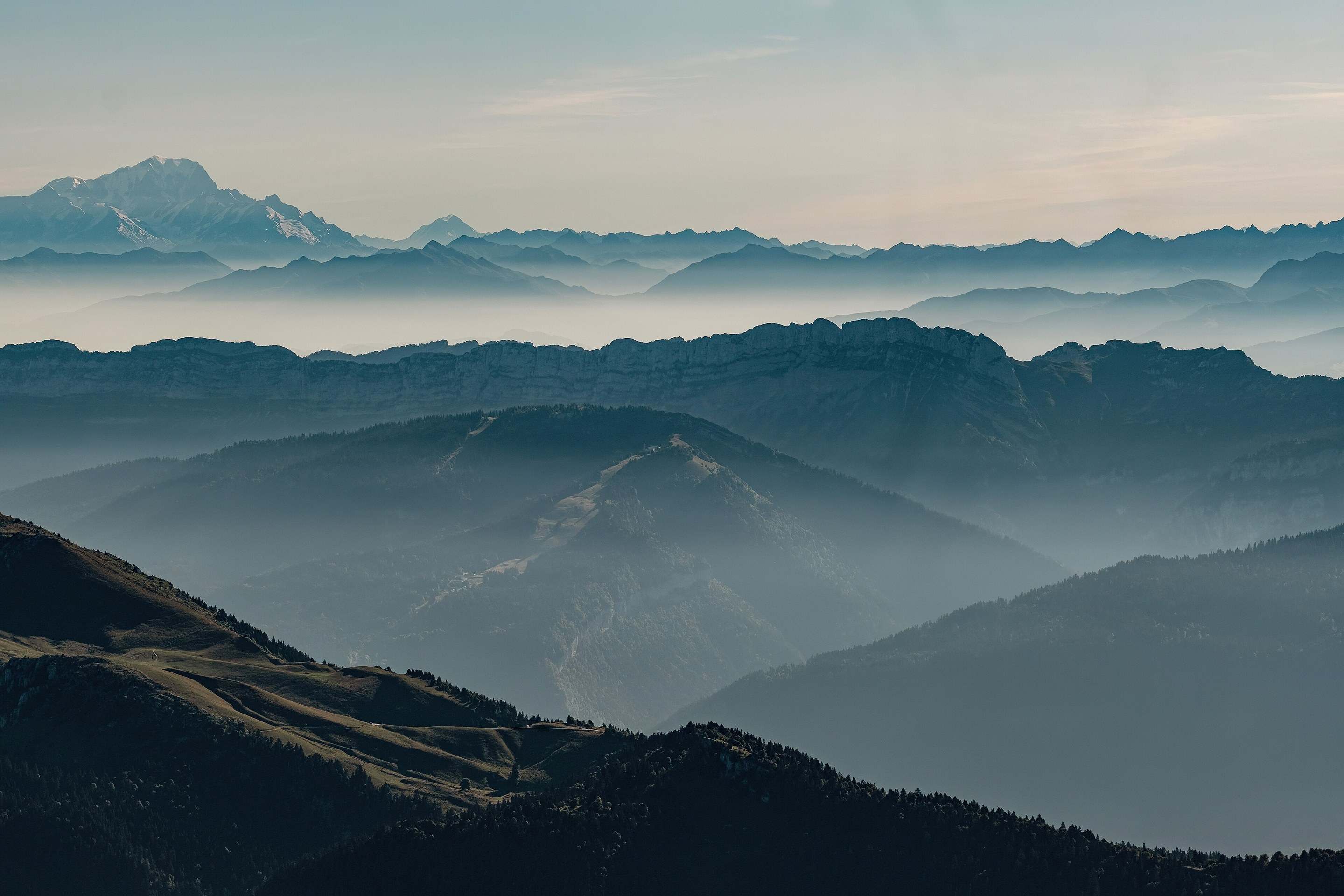
Mountain ridges receding in blue layers of haze
Plate 07 — Western Alps, from above Grenoble · 45°16′N 5°41′EPhoto: Dktue / CC0
Alex Trandafir

05About

Technical, but looking up

I am an early-career climate researcher, trained in climate change science and applied meteorology. I came to it the long way round: a storm at seventeen, a TEDx talk the same year, then a dissertation on what heat does to a city and its museums.

The longer version