A warning is not a prophecy
When the storm misses, the warning was not wrong. On judging decisions by what was known, not by what happened.
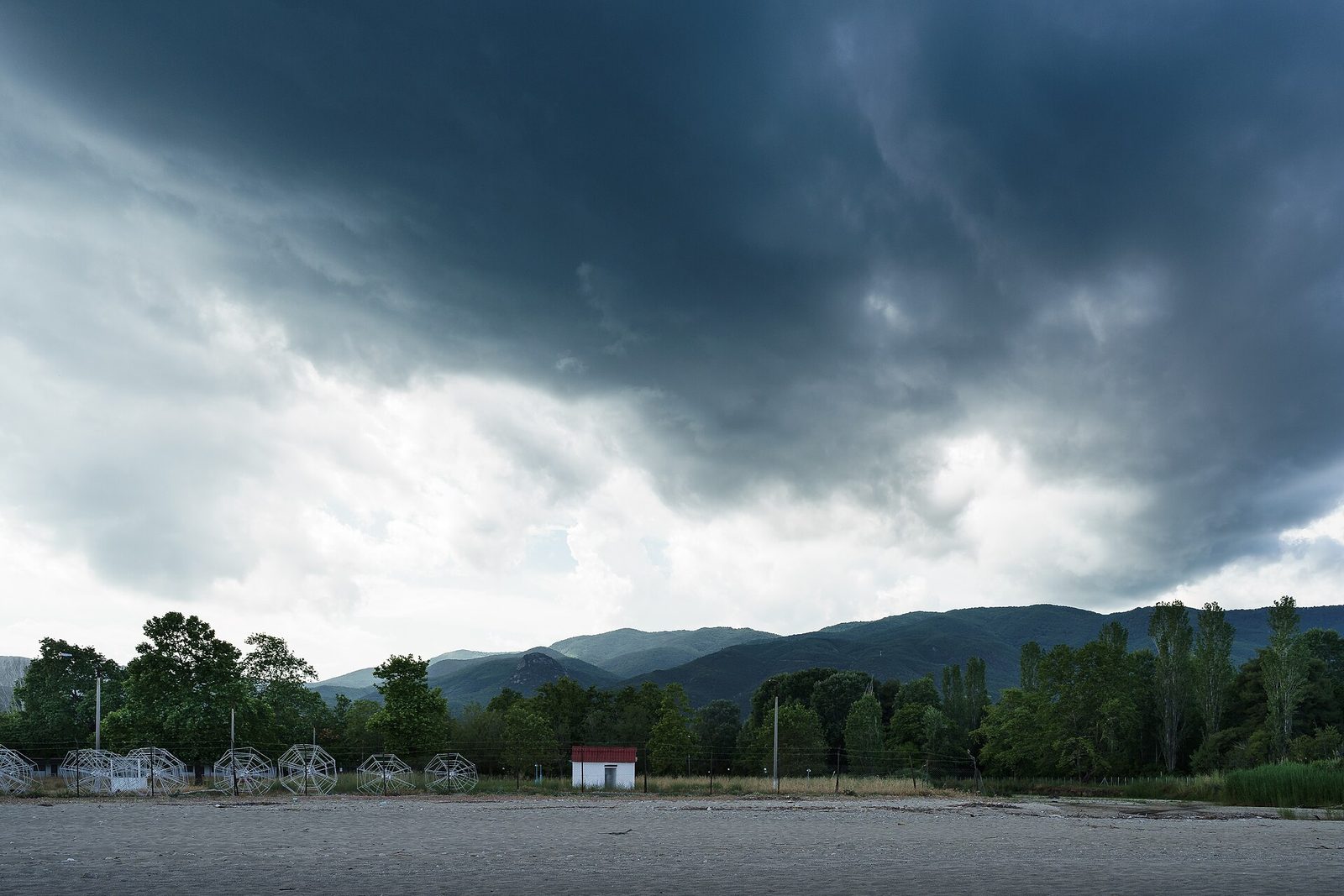
Every time a red warning is followed by an ordinary evening, the same question comes back: was it justified? It is a fair question asked in the wrong tense. It looks at what happened and works backwards. A warning can only be judged by what was known when it was issued.
Two different mistakes
A weather service can fail in two ways. It can stay quiet before something dangerous, or it can speak up before something that turns out to be mild. These are not equal. The first costs lives. The second costs an afternoon, some closed schools and a share of patience.
Any system built to avoid the first mistake will sometimes commit the second. That is not a flaw in the system. It is the price of the system, and it should be said out loud rather than discovered with irritation after each false alarm.
What we owe each other
Forecasters owe the public plain language: what could happen, how likely it is, what to do. Not a colour alone, and not a single dramatic adjective.
The public owes forecasters something too, which is to remember the alarms that were right. Nobody writes a headline about the flood that people were ready for.
Trust in warnings is a shared reserve. It is spent by exaggeration and by silence alike, and it is rebuilt slowly, one accurate and honestly worded message at a time.